Guide to Finding Hyundai Palisades For Less
Landing a used Hyundai Palisade under $20,000 takes some patience, but it's genuinely achievable with the right approach.
This guide walks through which model years and trims to target, the family-friendly features actually worth prioritizing, and where to search both online and locally for a trustworthy deal.Why the Palisade Fits Family Life So Well
As a midsize three-row SUV, the Palisade is known for a quiet cabin, supportive seating, and a step-in height that's easy for school runs, sports practice, and road trips alike. Wide door openings make wrestling a car seat into place much less of a struggle, and generous headroom keeps growing kids comfortable on longer drives.
Visibility is strong across the lineup, and many examples come with real driver-assist tech — forward-collision warning with automatic braking, lane-keeping assist, blind-spot monitoring, and sometimes adaptive cruise control. Exact equipment varies by trim and package, so always confirm what a specific VIN actually has rather than assuming.
Family-oriented touches show up often too: multiple USB ports spread across rows, available second-row captain's chairs for easier third-row access, rear climate controls, rear window sunshades, and a power liftgate that's a real help when your hands are full of stroller and grocery bags. Apple CarPlay and Android Auto are widely available, putting maps and playlists a voice command away.
Which Years and Trims to Target
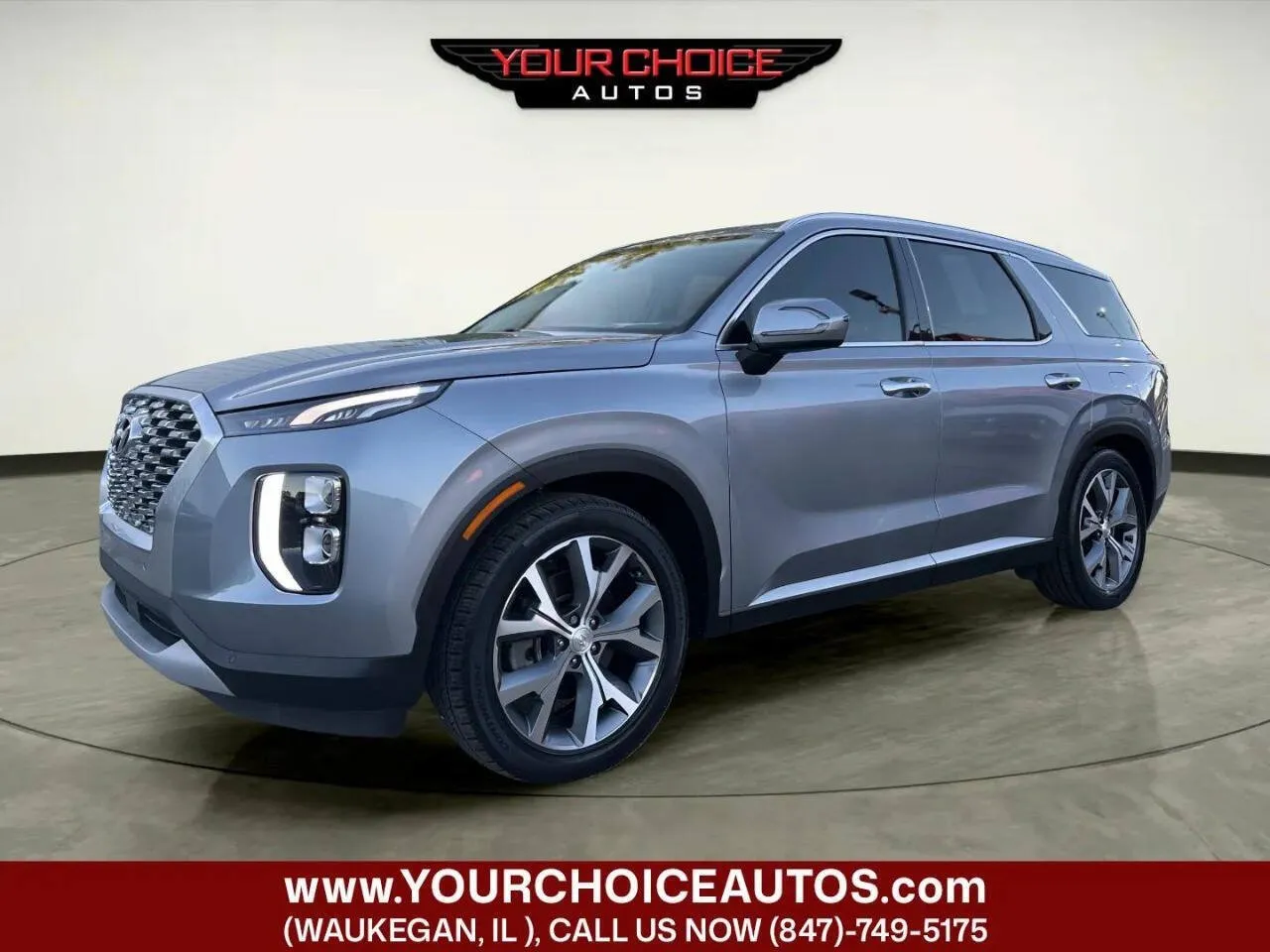
Since the Palisade launched for 2020, staying under $20,000 generally means an earlier model year, higher mileage, or a base-to-mid trim. Your best odds:
- 2020 SE (FWD): The likeliest to dip under $20k, especially with higher mileage — prioritize a clean history and documented maintenance here.
- 2021 SE (FWD): Possible near $20k with higher mileage or in a lower-demand region.
- 2020–2021 SEL (FWD): Occasionally reachable at higher mileage, sometimes with added comfort or safety packages — verify the exact equipment against the VIN.
AWD models tend to cost more, so staying flexible on mileage and color helps keep you in budget. For family use, prioritize confirming: LATCH anchors and wide door openings for child seats, the driver-assist features listed above, a power driver's seat with lumbar support, heated front seats, rear climate controls, and CarPlay/Android Auto. An SEL with the right package can end up more family-friendly overall than a bare-bones newer trim — but a well-documented 2020 SE is still an excellent value if the budget is tight.
Where to Search
Cast a wide net and compare prices across sources rather than settling on the first listing that looks decent:
- National marketplaces for broad selection and side-by-side comparison
- Big-box used-car retailers for standardized inspection and return policies
- Rental and fleet sale outlets, which often carry well-documented service histories
- Local and private-party listings, with extra caution and thorough documentation checks
- Local Hyundai dealer inventory directly, since used stock isn't always well-represented on national sites
Cross-check any price against a value guide before you commit, verify current safety ratings, and run the VIN through a recall lookup to confirm anything outstanding has been addressed.
Test-Drive and Inspection Checklist for Families
- Get the full vehicle history — favor one-owner, no-accident examples with consistent service records.
- Get a pre-purchase inspection from an independent mechanic to catch leaks, uneven tire wear, or past collision repairs before you commit.
- Test every feature you'll actually use — driver-assist systems, camera views, phone pairing, and seat adjustments.
- Bring your actual car seats and test LATCH access, belt paths, and whether captain's chairs or a bench row works better for your family — practice third-row entry with kids present if you can.
- Load it like a normal day — stroller, sports bags, backpacks — and fold both rear rows to confirm cargo flexibility matches your routine.
- Drive your real route, including neighborhood streets, highway speed, and a rougher stretch, listening for rattles and judging cabin noise.
- Check cabin livability — rear charging access, sunshades, and easy-to-clean surfaces — and check for any lingering odors.
- Negotiate the full out-the-door price, not just the sticker, and skip add-ons you don't actually need.
Budgeting for Ownership
The Palisade's V6 delivers confident power with reasonable fuel economy for a three-row SUV, though EPA figures vary by year and drivetrain — check the specific configuration you're considering. Beyond the purchase price, plan for insurance quotes tied to the actual VIN, and budget for tires (larger wheel sizes cost more to replace), brakes, and fluids — higher-mileage units may need spark plugs or transmission fluid service sooner than you'd expect. Confirm what, if any, factory warranty remains on a used example, and consider a Certified Pre-Owned unit if the added cost fits your budget for extra peace of mind. To stay under $20k, you may need to skip AWD or a panoramic roof — prioritize safety tech and seat flexibility over those extras.
If You Can't Find One in Budget
Inventory shifts by region and season, so if Palisades under $20k are scarce near you, a few comparable alternatives are often easier to find at that price:
- Hyundai Santa Fe (2019–2020): Two-row comfort with similar tech, generally at a lower price point.
- Kia Sorento (2019–2020): Three-row capability on some trims at a competitive price.
- Toyota Highlander (2015–2016): Older but durable — lean heavily on maintenance records and a thorough inspection here.
Quick Targets
- Start with high-mileage 2020 SE (FWD); expand to 2021 SE if your budget allows.
- Stretch to a 2020–2021 SEL with the right package if you find a motivated seller.
- Stay flexible on color and mileage; prioritize clean history and documented service over cosmetic extras.
Bottom Line
A family-friendly Hyundai Palisade under $20,000 is realistic with patience, a wide search, and openness to higher mileage or base trims. Focus on the safety and comfort features that matter for daily family use, confirm everything against the VIN, and don't skip the inspection — those steps are what turn a budget find into a genuinely good one.
 Used
 Used
 Used
 Used
 Used
 Used